Kaiser, Cedars-Sinai, and the difference between the ER and urgent care.
The American health system is expensive in a way that is difficult to explain and impossible to avoid. A visit to an emergency room without insurance starts at $1,200 and climbs; a day in hospital is $5,000 and up. Insurance is the whole game, and most people get it through an employer. If you are buying your own, Covered California is the state marketplace, open from 1 November to 31 January, with subsidized silver plans at $50–250 a month for a single person on a modest income.
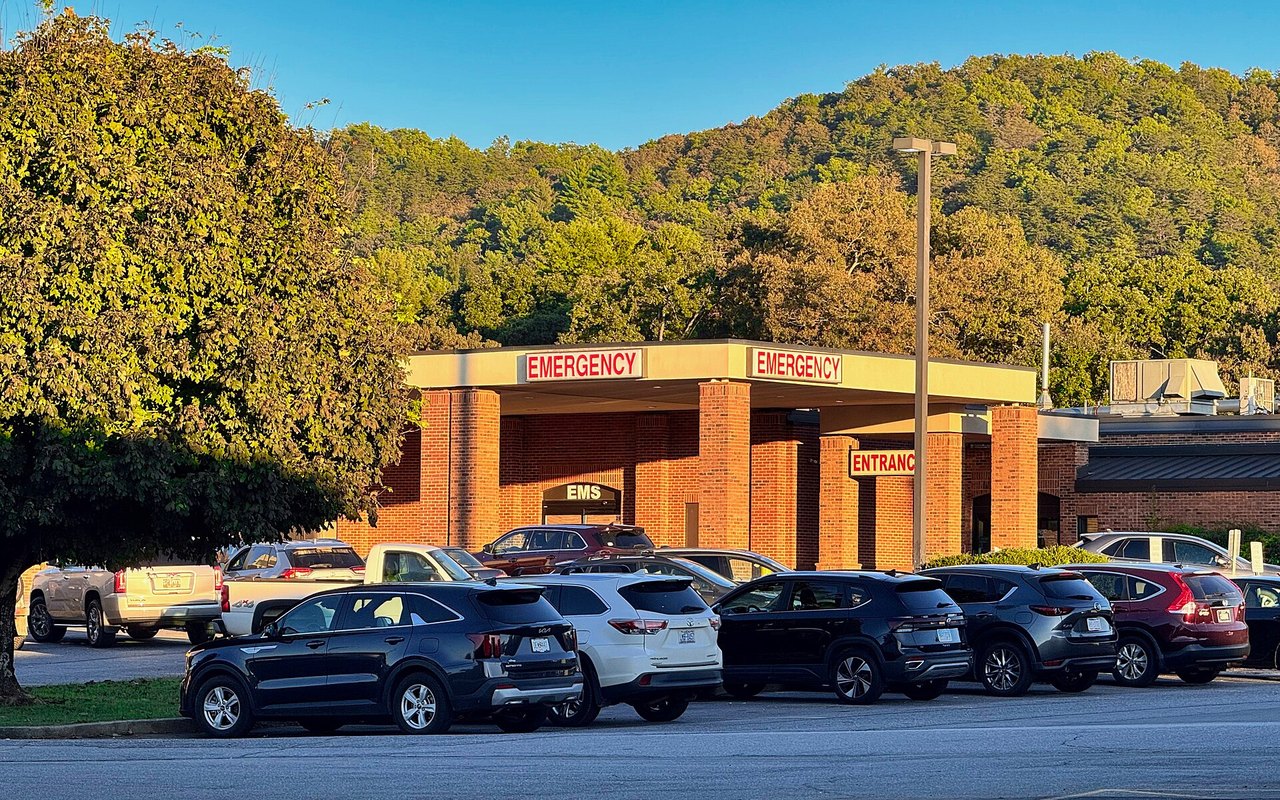
The practical distinction to learn is emergency room versus urgent care. A broken bone, chest pain or anything bleeding goes to the ER, which is open 24 hours and will treat you without insurance, then bill you. A sprain, an infection, a fever that will not break: urgent care, $150–250, in and out in an hour. Choosing wrong costs a thousand dollars and four hours of your evening, which is the most useful piece of local knowledge anyone can give you.
Three we'd book first — and why.
01
02
03
ClinicThe most expensive mistake in American healthcare is walking through the wrong door. Chest pain taken to an urgent care will be redirected immediately; a sprain taken to an emergency department will cost three hours and a bill with an extra zero on it. This page covers one thing only, which is which door to choose and how large the difference in cost actually is, because the difference is large enough to change behaviour once you know it.
HealthCovered California is the state-run insurance marketplace, and it subsidises premiums on a sliding scale by income. Open enrolment runs from 1 November to 31 January, and missing it means waiting a year unless you have a qualifying event such as moving, marrying or losing a job. The subsidy is the reason most people can afford a plan at all, and the reason the plan tier you choose matters more than the insurer you choose.
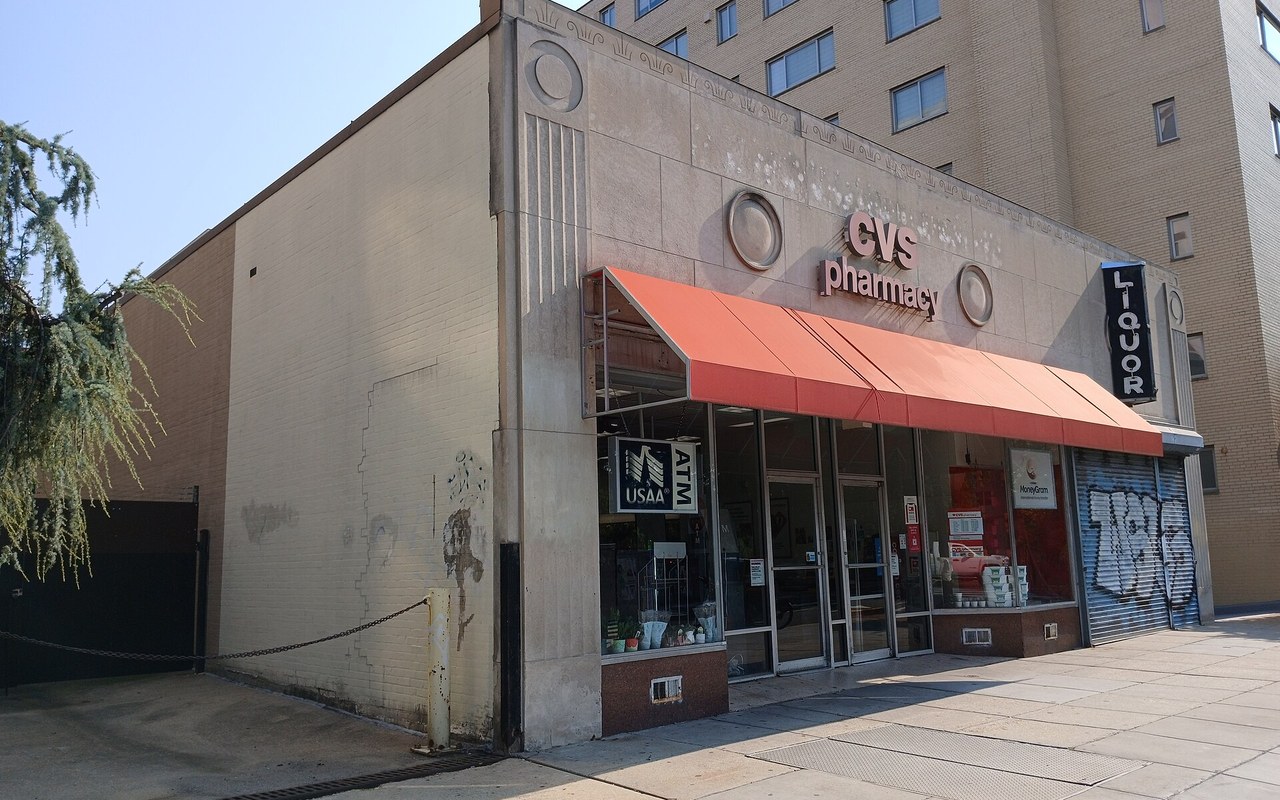
HealthGetting a prescription filled in the United States separates the clinic from the pharmacy: the doctor sends the prescription electronically to whichever pharmacy you nominate, and you collect it separately. CVS has the most stores in Los Angeles, more than two hundred, with some open around the clock, which means a fever at two in the morning is solvable. It is a retail chain rather than a public service, and the queue reflects that distinction at predictable times.
The rules locals follow, so you don't look like a first-timer.
Compare every place in this channel.
| Name | Area | Hours | Price |
|---|---|---|---|
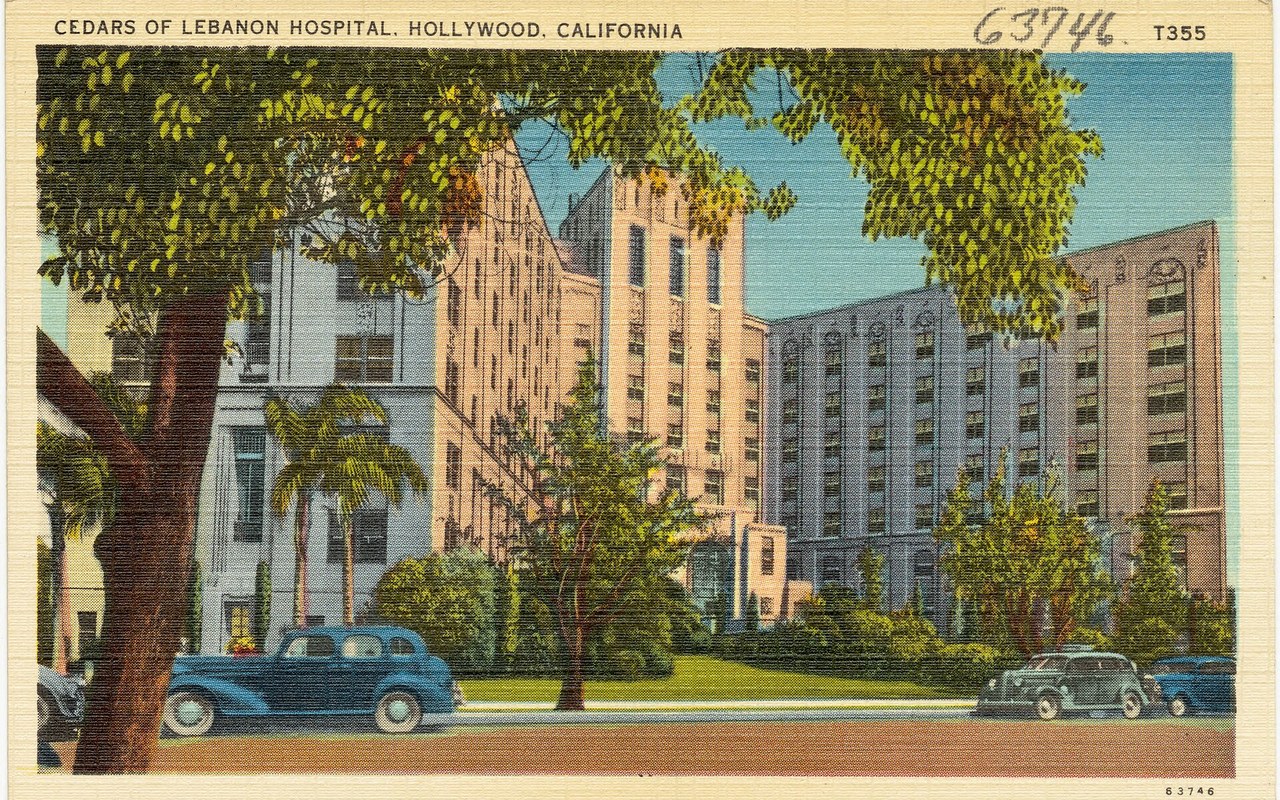
| Kaiser Permanente | Hollywood | Emergency 24 hours; clinics weekdays 08:00–17:00 | Office visit $20–40 copay; individual plans from about $400 a month |
| Cedars-Sinai Medical Center | Beverly Grove | Emergency 24 hours; clinics weekdays 08:00–17:00 | Uninsured emergency from $1,500; inpatient $5,000 a day and up |
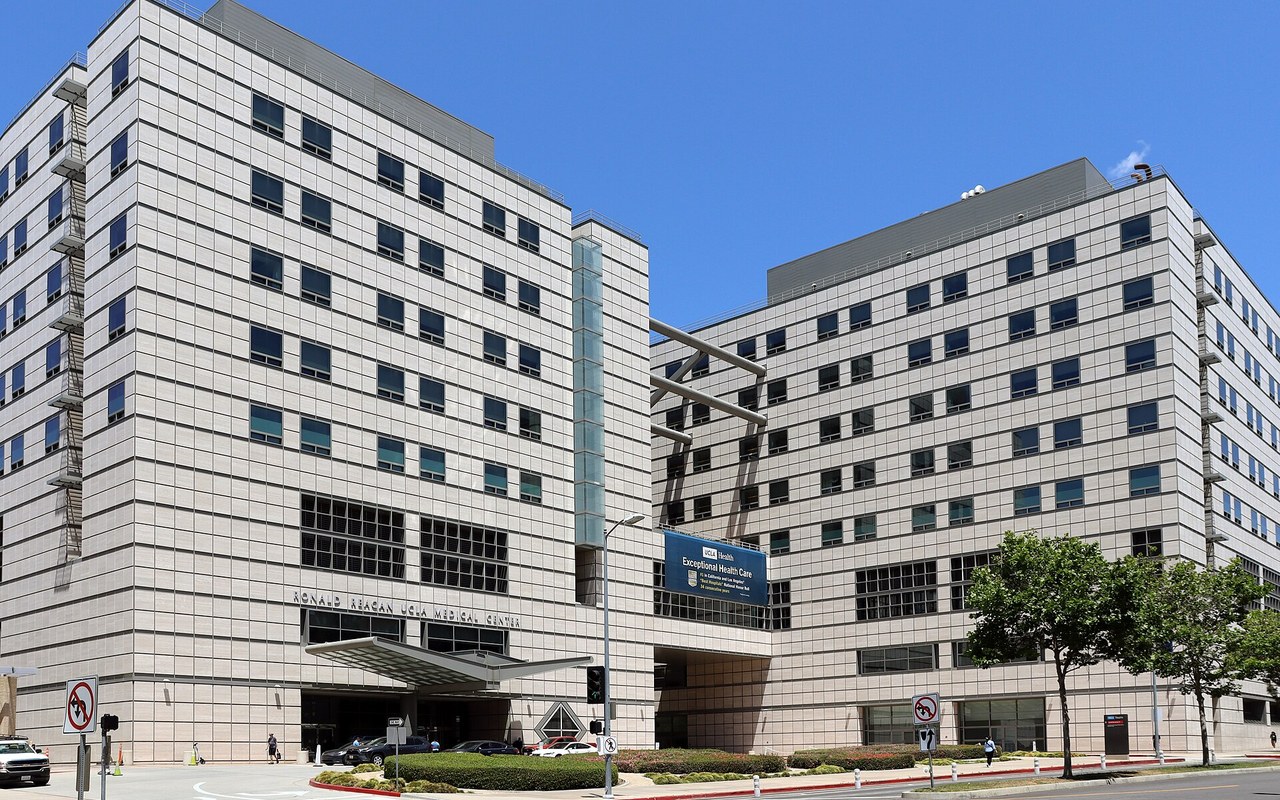
| Ronald Reagan UCLA Medical Center | Westwood | Emergency 24 hours; clinics weekdays 08:00–17:00 | Uninsured CT from $2,000; inpatient $6,000 a day and up |
| Emergency Room vs Urgent Care | Citywide | Urgent care usually 08:00–20:00; ER 24 hours | Urgent care $150–250; ER $1,200–2,500 |
| Covered California | Citywide | Open enrolment 1 November to 31 January | Silver plans $50–250 a month after subsidy; $480 without |
| CVS Pharmacy | Citywide | Most stores 08:00–21:00; some 24 hours | Common prescriptions $5–40; GoodRx discounts without insurance |
You will be treated at an emergency department; federal law requires it. Then the bill arrives and the hospital will negotiate. Ask for the financial assistance policy and the self-pay discount, and offer a monthly payment you can actually keep. Ignoring the bill is the only genuinely bad option.
For a broken ankle, yes. For anything chronic or needing follow-up, no: it pays for the emergency and stops there. If you are staying more than a few months, buy a real plan through Covered California or an employer, because the follow-up is where the money goes.
A specialist, no: three to six weeks is normal, and the good ones are booked longer. Urgent care is the same-day option for anything minor, and a membership clinic like Kaiser is faster if you are already inside the system. For anything serious, the emergency department is the honest answer.