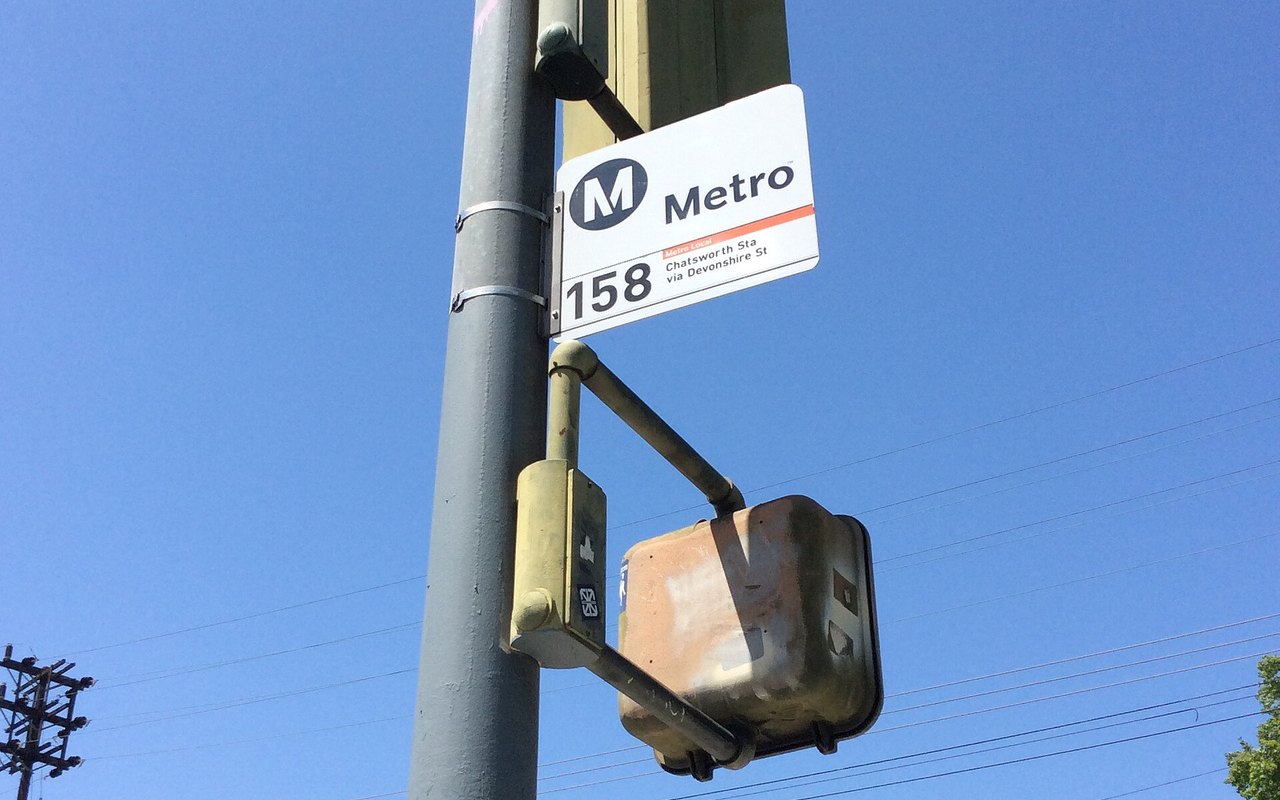
The B and D lines, Metro buses, car rental, the traffic timetable.
The rail network is small but useful, and it has become genuinely good at the things visitors need. The B Line runs from Union Station through Hollywood to North Hollywood; the E Line goes from East LA to Santa Monica in about 50 minutes; the K Line links the airport area to Inglewood. A single ride is $1.75 whatever the distance, a day is capped at $5, a week at $18. Tap the same card every time and the machine does the arithmetic for you.
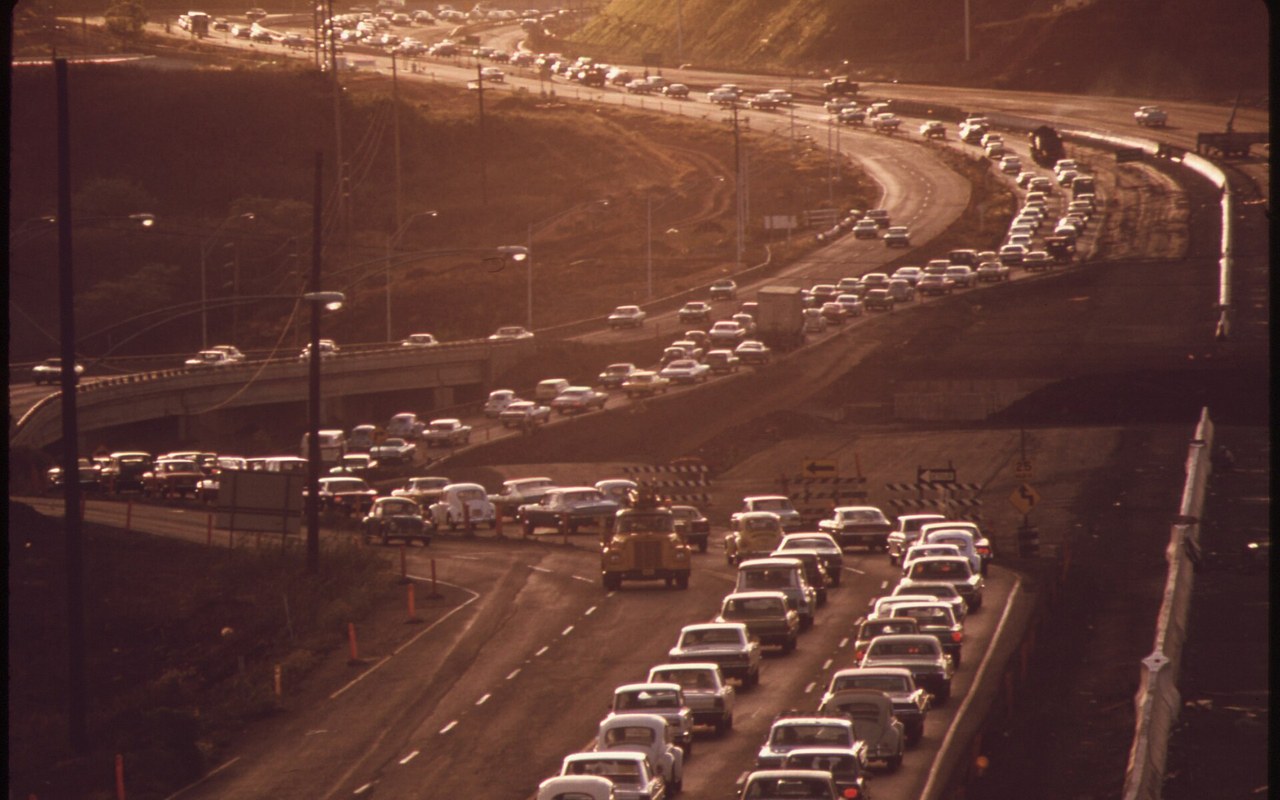
The freeways are the other system, and they have hours rather than rules. Weekday traffic is worst from 07:00 to 10:00 and from 15:30 to 19:00, when the 405 through Sepulveda Pass can take an hour to cover eight miles. The express lanes charge by the mile, $0.25–2.25, and the price on the sign is the price at that moment. Learn two routes to everywhere you go regularly; the difference between them on a bad afternoon is often 25 minutes and a ruined evening.
Three we'd book first — and why.
01
02
03
TransitLos Angeles traffic is not all-day congestion; it is two fixed periods of about three hours each. Direction matters more than the clock, and that is the thing visitors get wrong. The same 405 jams northbound in the morning and southbound in the afternoon, so advice that ignores direction sounds wrong to anyone who followed it at the wrong hour. Learn the direction first, then the timing, and the city becomes navigable.
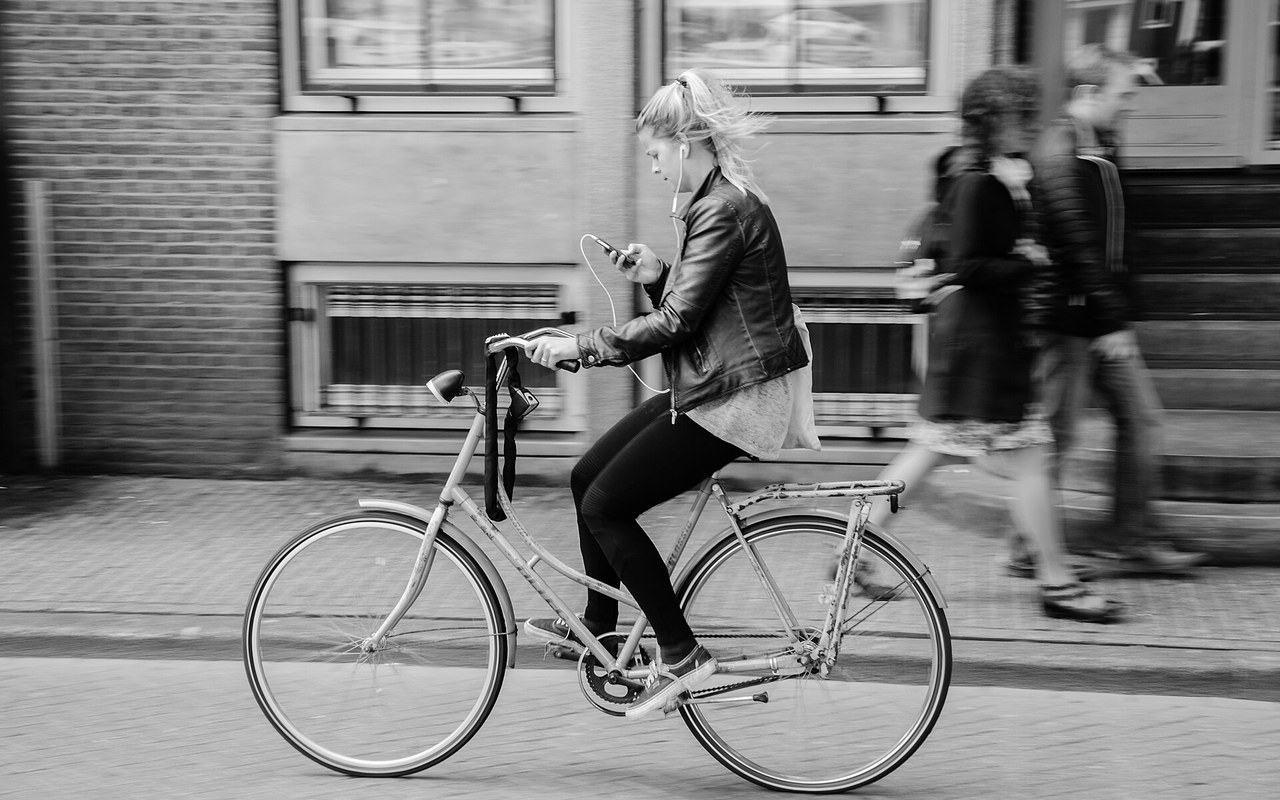
TransitLos Angeles has about 350 days suitable for cycling and about 350 unsuitable, and often they are the same day depending on which road you chose. The beach path is good enough to ride while looking at the water; most city arterials require riding as though every car is actively trying to hit you. The gap between those two experiences is a matter of route planning rather than nerve, which is the useful thing to understand before you rent anything.
The rules locals follow, so you don't look like a first-timer.
Compare every place in this channel.
| Name | Area | Hours | Price |
|---|---|---|---|
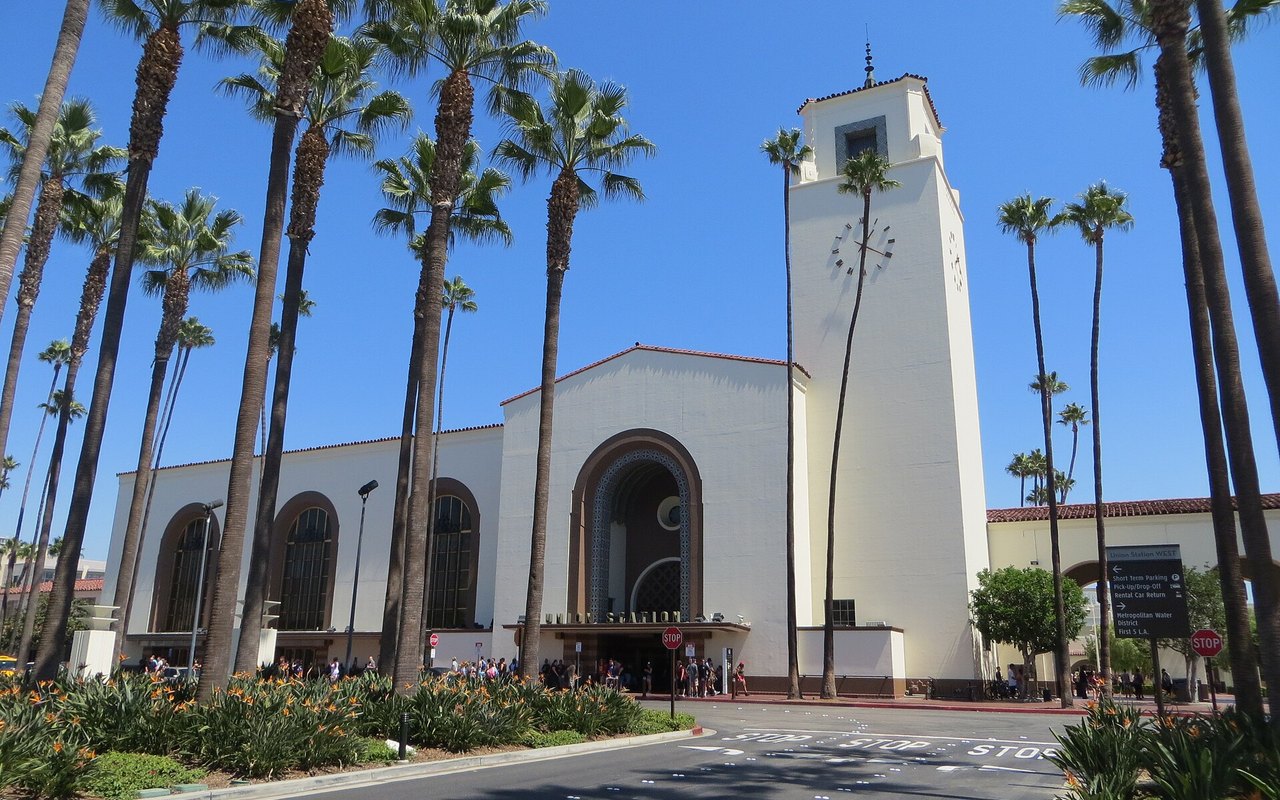
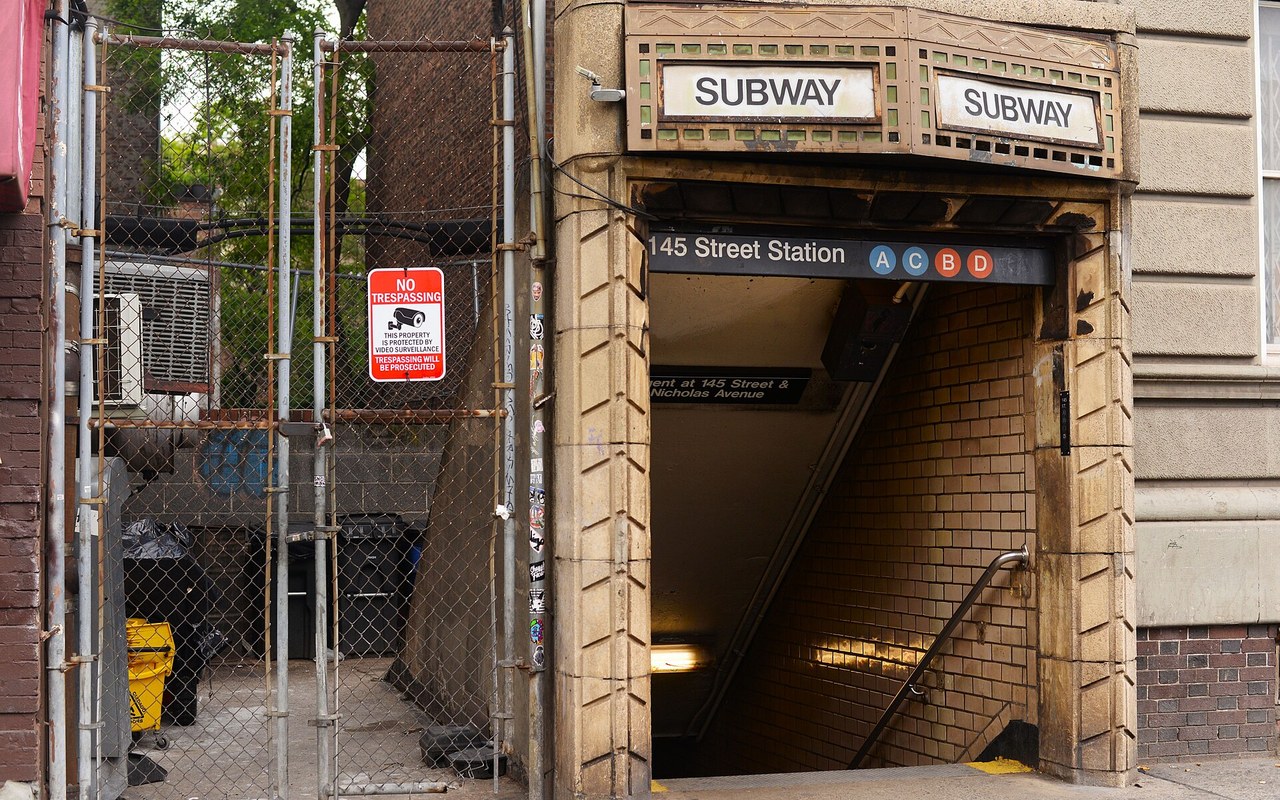
| Metro B & D Lines | Downtown | About 04:00–01:00, later on Friday and Saturday | $1.75 a ride; daily cap $5 |
| Metro Bus & TAP Card | Citywide | Key routes 24 hours; most 05:00–24:00 | Card $2; $1.75 a ride; monthly pass $50 |
| Rental Cars at LAX | Airport | Rental center 24 hours; some counters charge for pre-dawn pickups | Economy $40–80 a day; insurance $15–30 a day |
| Freeway Congestion Hours | Citywide | Weekdays 07:00–10:00 and 15:30–19:00 are worst | Free; ExpressLanes $0.25–2.25 a mile |
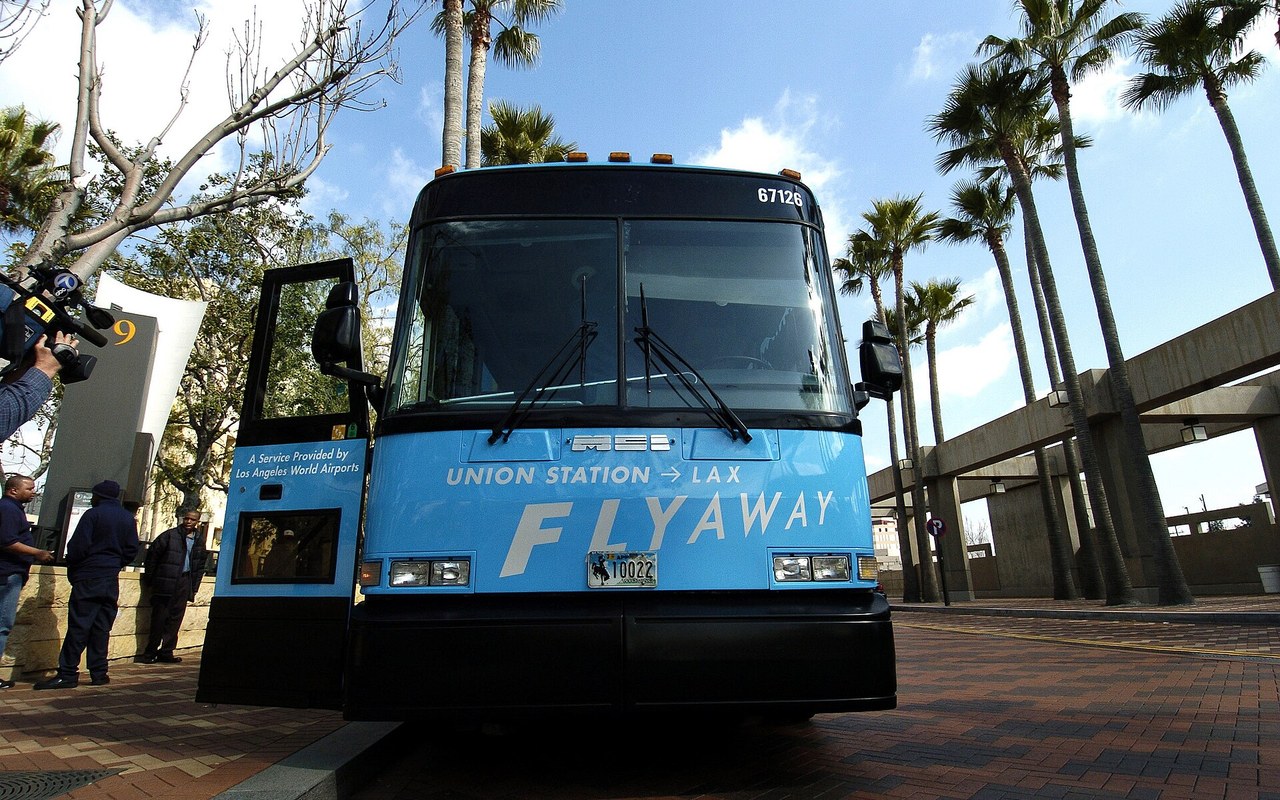
| LAX FlyAway Bus | Airport | Union Station line 24 hours, about every 30 minutes | $9.75 from Union Station or Van Nuys; Long Beach and Irvine extra |
| Bike Share & Cycling | Citywide | 24 hours; some docks fill overnight | Bike share $1.75 per 30 minutes; e-bikes extra |
Ordinary precautions, and the busy lines are fine by day. The B Line through Hollywood at night draws the usual city behavior: sit near the front, keep the phone away from the door, do not engage. Ridership has recovered, and there are more people around than the reputation suggests.
Downtown, Hollywood and the corridor between them, yes. Add Santa Monica if you stay near the E Line. The moment your plans include the Getty, Griffith at night or dinner in the Valley, you need a car or a $40 rideshare, and the arithmetic changes.
Both work. The TAP app and a contactless bank card are accepted at the gates, and the fare cap applies either way. A physical card is still useful on a bus in a hurry, when the reader at the front is the only one and the line behind you is long.