Hollywood, Beverly Hills, Silver Lake, Koreatown — where you live decides how you drive.
Los Angeles does not have neighborhoods in the way other cities do. Hollywood Boulevard is a visitor corridor two streets wide, with theaters, souvenir shops and a church on the same sidewalk, and it behaves like a theme park until the tour buses leave. Beverly Hills is a separate city with its own police and its own street sweepers. Downtown is a grid of office blocks stitched to an arts district, suits by day and empty sidewalks by night. Koreatown keeps its lights on until four in the morning and does not apologize for the noise.
Choose a neighborhood by when you leave the house and how often. If you commute west every day, Silver Lake or Koreatown adds forty minutes each way, which is eighty minutes a day and roughly two working weeks a year. Living in Santa Monica instead costs perhaps a thousand dollars more a month and buys back the mornings and the evenings. Whether the building includes a parking space will affect your life more than a three-hundred-dollar difference in rent, so establish that before signing anything.
Three we'd book first — and why.
01
02
03
NeighborhoodBeverly Hills is a city, not a neighborhood of Los Angeles. It runs its own police force, prints its own 90210 postcode and maintains a three-block shopping street framed by palms that have been photographed more than most buildings in the county. People who live here rarely walk it; people who visit do almost nothing else. The median single-family house clears $3 million, commercial rent is quoted by the foot, and a corner storefront runs five figures a month. It is, in other words, a municipality organized around property values, and the street plan, the tree maintenance schedule and the enthusiasm of the parking patrol are all downstream of that single fact.
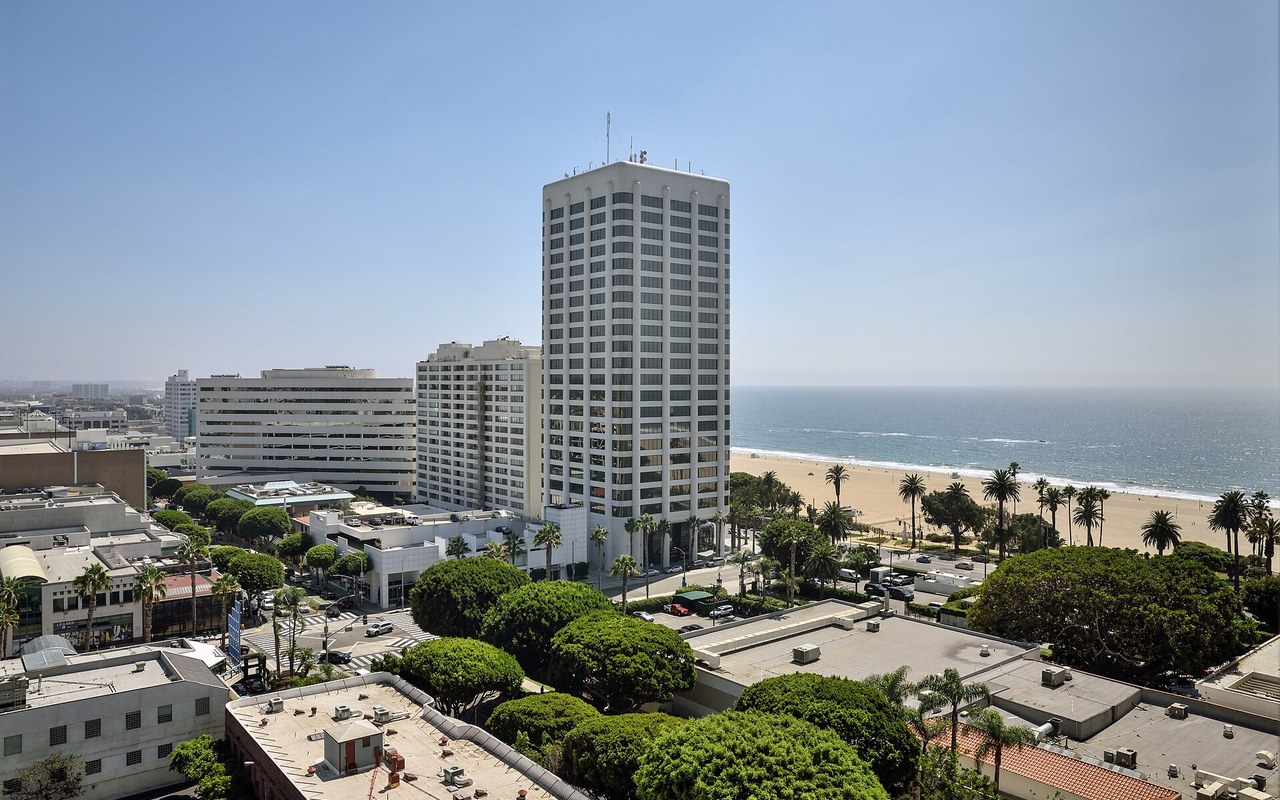
NeighborhoodDowntown Santa Monica sits on a plateau above the Pacific, with the Third Street Promenade as its spine and the bluff two blocks west. The Metro arrived in 2016, which changed the arithmetic: you can now come from downtown Los Angeles without a transfer, without a car and without hunting for a space. It is the most walkable square mile on the west side, and on a weekday morning, before the buskers set up, it is also the most ordinary, full of office workers, dog walkers and a man selling street maps nobody needs. The retail is unremarkable and the position is not, which is the entire reason the district exists.
NeighborhoodKoreatown occupies three square miles around Wilshire and Western and contains the densest nightlife in Los Angeles. The signage is in Hangul, the kitchens run until 04:00, and barbecue, saunas, karaoke and 24-hour cafés share the same corner. It is also the only part of the city where you can arrive at two in the morning reasonably and find a full room. The trade-off is a sidewalk that is narrow, a bin that is always full, and a persistent smell of charcoal and exhaust that gets into your coat and stays there until it is washed.
The rules locals follow, so you don't look like a first-timer.
Compare every place in this channel.
| Name | Area | Hours | Price |
|---|---|---|---|
| Hollywood Boulevard | Hollywood | Open 24 hours; most shops 10:00–22:00 | Free to walk; parking $3–20 |
| Beverly Hills | Beverly Hills | Most shops 10:00–19:00; Sunday from 12:00 | Free to walk; first 2 hours free in municipal garages |
| Downtown Santa Monica | Santa Monica | Promenade open 24 hours; shops 10:00–21:00 | Free to walk; first 90 minutes free in city garages |
| Silver Lake | Silver Lake | Reservoir path 05:00–22:00; shops 07:00–23:00 | Free to walk; coffee $5–7 |
| Downtown Los Angeles | Downtown | Open 24 hours; most businesses 08:00–22:00 | Free to walk; parking $15–25 a day |
| Koreatown | Koreatown | Most businesses 11:00–02:00; some 24 hours | Korean barbecue $50 a head; spa entry $30 |
Hollywood or downtown. Hollywood has the Metro and every classic sight within walking distance, and the hotels are old but the location cannot be replicated. Downtown is newer and about thirty percent cheaper than the west side, though the streets empty after 20:00. For the beach, stay in Santa Monica and accept an hour to everywhere else.
Yes, if you choose carefully. The B Line links downtown and Hollywood, the E Line reaches Santa Monica, and buses and ride-hailing cover the rest. Keep each day to one corridor rather than crossing the city twice, or you will spend two hours in transit and arrive tired.
Main streets in visitor areas are busy and fine. South of 7th downtown and east of Western in Hollywood, the sidewalks thin and the lighting worsens. Take a car late at night rather than walking to save fifteen dollars, which is a rule locals apply to themselves regardless of gender.