Health & Medical · Citywide
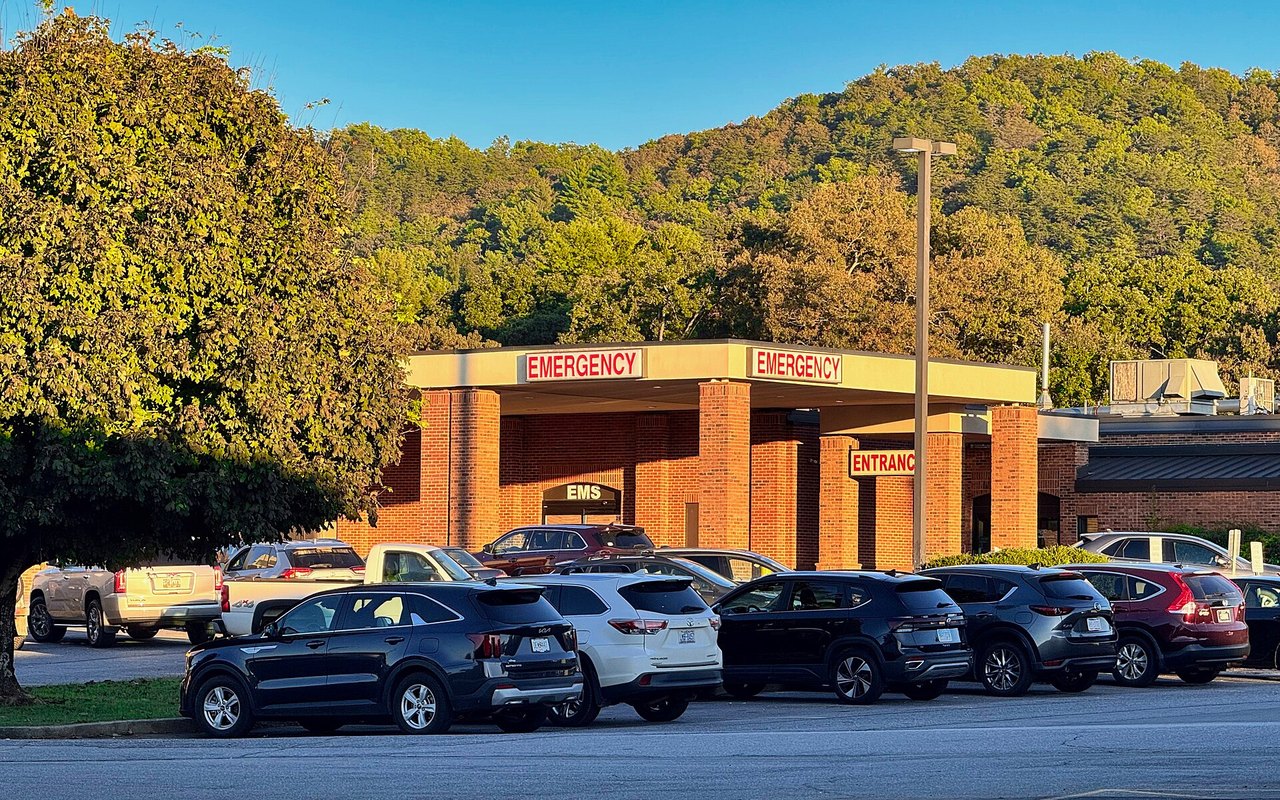
The American system separates emergency departments, which are hospital-based and open continuously, from urgent care, which is an outpatient clinic that closes in the evening. Emergency departments triage by severity and handle anything life-threatening: chest pain, difficulty breathing, heavy bleeding, displaced fractures, altered consciousness, seizures with fever. Urgent care handles what cannot wait until tomorrow but will not kill you: sprains, fevers, stitches, ear infections, mild asthma, urinary infections.
Common chains in Los Angeles include Exer, Concentra and CVS MinuteClinic, most of which offer online queueing with an average wait of thirty minutes. Present your insurance card at the desk, and if you have none, expect to pay: $150 to $250 at urgent care against $1,200 to $2,500 at an emergency department, which also bills physician and imaging fees separately. The test is simple enough: if you can drive yourself there, it is probably the former.
The real risk is that emergency waits are uncontrollable. Los Angeles County facilities such as LAC+USC routinely run past four hours at night, while private hospitals run one to three. For a genuine emergency, go, and do not delay over cost, because a bill can be negotiated afterwards and the other outcome cannot. Travel insurance usually covers emergency care but requires a phone notification within 24 hours, and you should keep every receipt and diagnosis code.