Shopping · Little Tokyo
Little Tokyo formed from the 1880s as Japanese immigrants settled east of downtown. Japanese Village Plaza was built in 1978 as part of the district's reconstruction, with a layout modeled on a traditional shotengai, the covered market streets that run off Japanese train stations. In 1942 the Japanese-American population here was forcibly removed to internment camps; the second wave came after the war, and the plaza is a product of that return rather than of the original settlement.
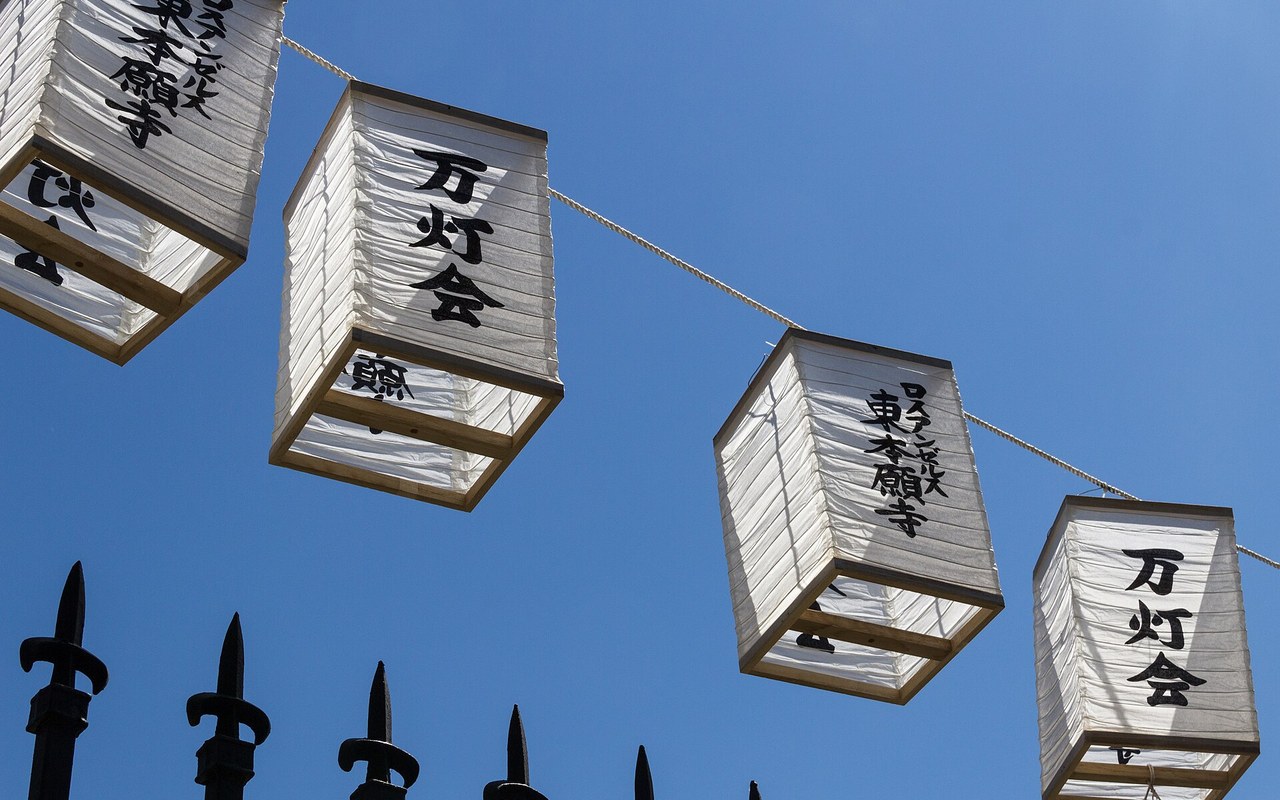
Enter from 1st and Central and walk to the back, where Nijiya Market sells bento and sashimi at roughly half what the restaurants charge, which is the best value in the district and the reason locals come. Upstairs there is a long-running stationery shop with brush pens and washi paper. In August the plaza closes for Obon and the street fills with dancers and food stalls, which is the busiest and best night of the year here.
The block itself takes twenty minutes. Its real value is the restaurants within five minutes' walk: Daikokuya for ramen, Sushi Gen for lunch, both with queues. Park in the public structure at 2nd and San Pedro for $12 a day, which undercuts everything else in the area. After 21:00 most shops are shut and only the restaurants are lit, which is a different and much quieter street.